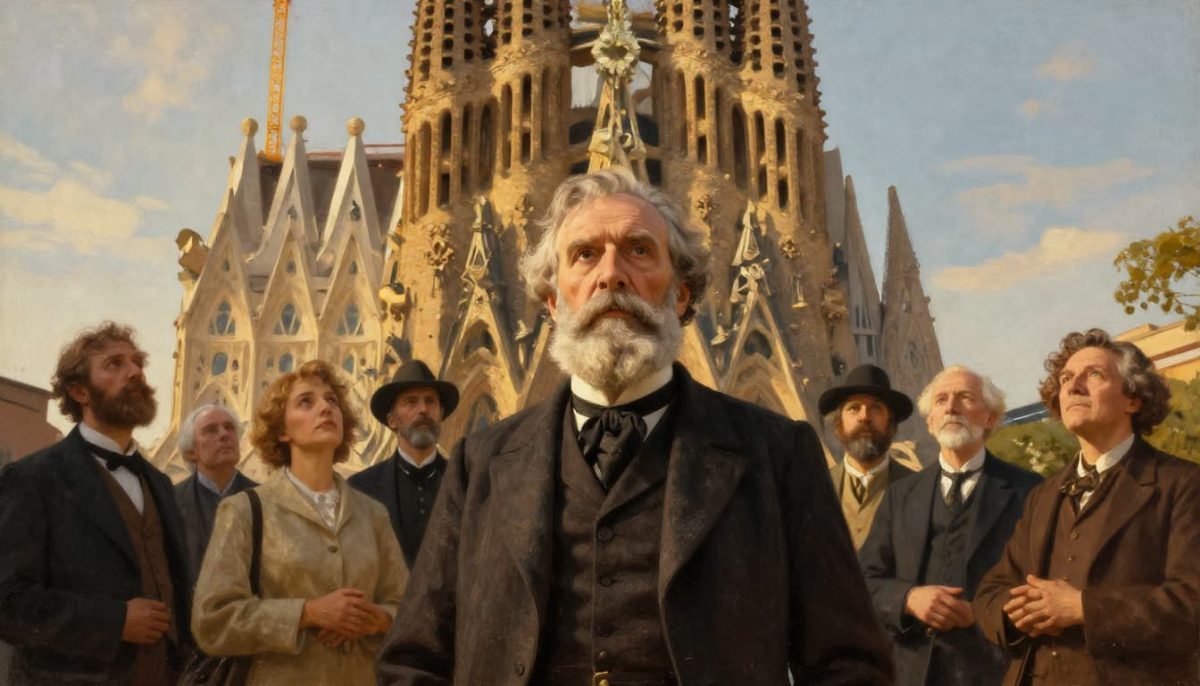
For most of the world, the answer to who built the Sagrada Familia has a single name: Antoni Gaudí. His visionary genius transformed this temple into one of the most recognizable architectural works on the planet, putting Barcelona on the world map. But did you know that Gaudí was not the first architect to work on the Sagrada Familia?
Gaudí dedicated much of his life to the construction of the temple, but after his death in 1926, many architects left their mark while trying to honor their creator’s vision. In this article we tell you who designed the Sagrada Familia, and who continued Gaudí’s legacy over more than 140 years.
Book your skip-the-line guided tour
Table of contents
- The first architect of the Sagrada Familia
- Antoni Gaudí: the mastermind behind the Sagrada Familia
- Domènec Sugrañes, Gaudí’s successor
- The architects from the post-war era to modernity
- Jordi Bonet i Armengol: the architect who built the interior
- Jordi Faulí i Oller: the architect of the 21st century
- A work by many, a dream by Gaudí
The first architect of the Sagrada Familia (1882–1883)
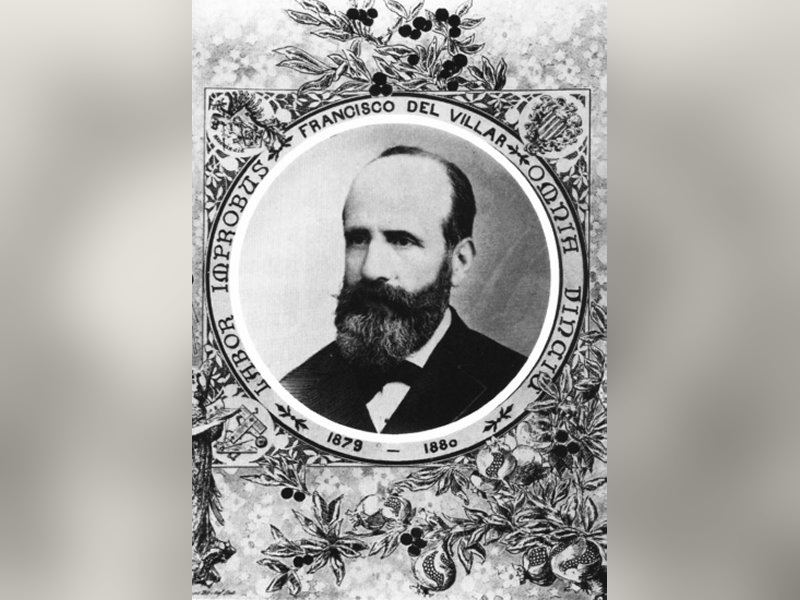

The story of the Sagrada Familia begins in 1882, when diocesan architect Francisco de Paula del Villar was commissioned to design an expiatory church dedicated to the Holy Family, promoted by bookseller and devout Catholic Josep Maria Bocabella. Villar conceived a temple in Neo-Gothic style, solid and austere, following the dominant architectural trend of the era.
However, just one year later, serious disagreements arose with the promoter’s consulting architect, Joan Martorell, and Villar submitted his resignation. He had barely completed the foundations and the beginning of the crypt. Can you imagine how different it would be to enter the Sagrada Familia if Gaudí had not taken the reins of the project?
Beyond the basilica, Villar was a prolific architect of religious buildings in Catalonia. Among his most notable works are the Montserrat Monastery, whose facade and various spaces he reformed and expanded, as well as the Church of Els Josepets de Gràcia in Barcelona. He is considered one of the leading exponents of Catalan Neo-Gothic architecture of his time.
Antoni Gaudí: the creator of the Sagrada Familia as we know it (1883–1926)
.jpg)
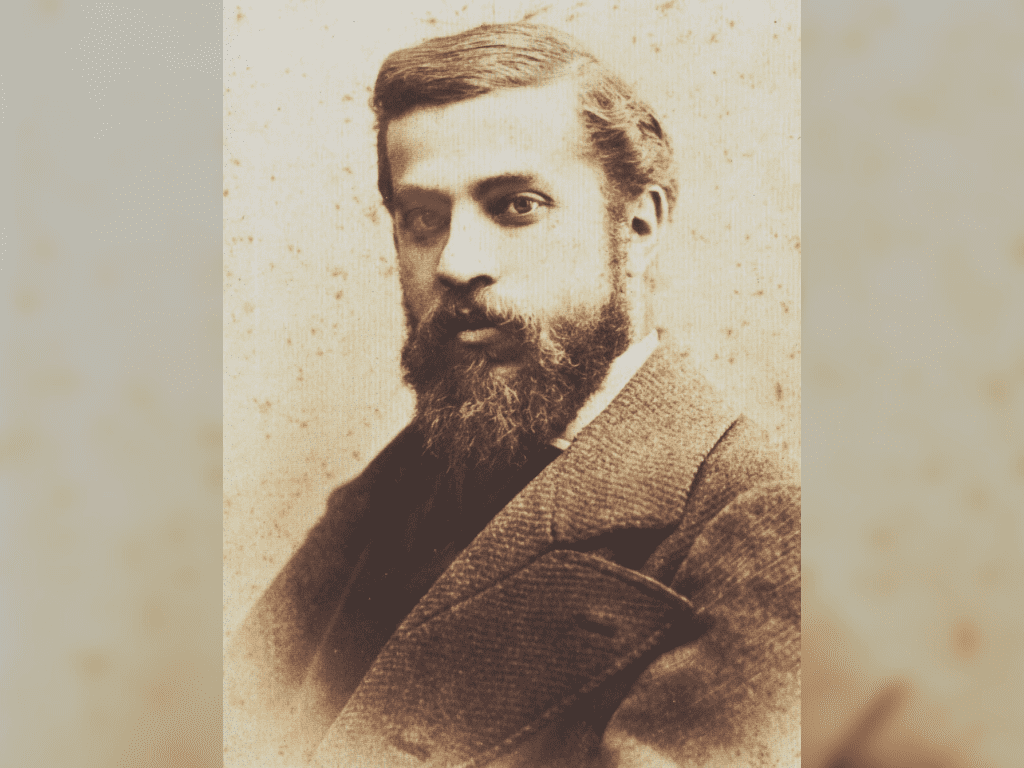
It was Joan Martorell himself, a highly prestigious architect and Gaudí’s mentor, who recommended him for the position. And it was a brilliant decision.
Gaudí not only took over from Villar in 1883, he transformed absolutely everything. At 31 years old, the young Catalan architect, already recognized for projects such as Casa Vicens, arrived at an unfinished temple and turned it into his lifelong obsession.
The first thing he did was radically redesign Villar’s Neo-Gothic proposal. Although for budgetary reasons he respected the already-built structure of the crypt, Gaudí introduced his unmistakable architectural language: organic forms inspired by nature, arboreal columns, hyperbolic paraboloids, and an unprecedented symbolic and religious charge.
The Sagrada Familia was the center of the final stage of Gaudí’s life and professional career, dedicating 43 years to this project, even living in the temple’s own workshop during his final years.
His life ended tragically on June 10, 1926, struck by a tram in Barcelona, leaving the work unfinished, but he bequeathed an exceptional collection of plans, plaster models and detailed explanations to his collaborators, convinced that future generations would complete his vision.
The Nativity Facade, the only one that Gaudí was able to see practically completed, is the clearest testament to his genius: an explosion of life, nature, and faith sculpted like a Bible in stone.
Skip the Lines at the Sagrada Familia
Get your Sagrada Familia tickets in advance and skip the endless lines at the entrance.
Domènec Sugrañes: Gaudí’s successor (1926–1936)
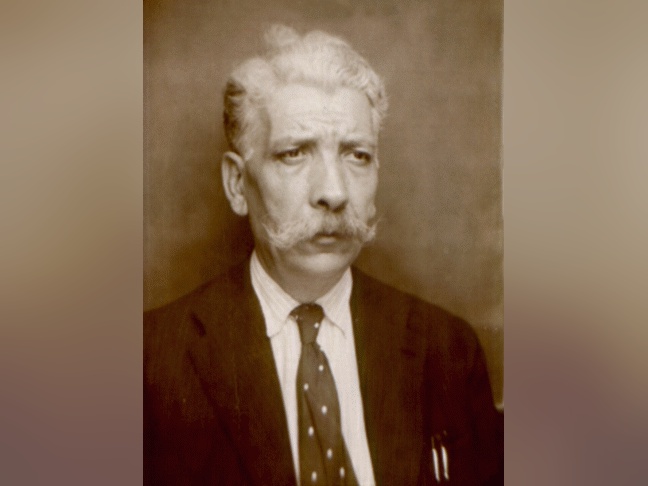

After Gaudí’s death, the great question was: who could continue such a monumental work? The answer lay with one of his closest collaborators: Domènec Sugrañes i Gras. A specialist in structural calculations, Sugrañes had been responsible for the structural design of the temple while Gaudí was still alive, and his relationship with the master was so close that he named him executor of his will. When Gaudí disappeared after being struck down, it was Sugrañes who organized the search for him and, later, his funeral.
During his twelve years leading the works, Sugrañes practically completed the Nativity Facade and oversaw the construction of the bell towers. His tenure was cut short by the Spanish Civil War, which in 1936 caused the fire of Gaudí’s workshop and the destruction of an irreplaceable part of the original documents. It is said that Sugrañes never recovered from that loss, and he died two years later, in 1938.
Beyond the Sagrada Familia, Sugrañes participated in the completion of Torre Bellesguard (Casa Figueras), one of the most mysterious and medieval works by Gaudí, where he executed the famous mosaics at the entrance and reception hall. He also built his own buildings such as the Torre Loperena in Salou and collaborated on projects such as Casa Milà and Casa Batlló alongside his master.
The architects from the post-war era to modernity (1938–1985)
After the war, a series of architects devoted their lives to rebuilding and continuing the project with enormous faithfulness to the Gaudian spirit:
- Francesc de Paula Quintana i Vidal: A direct disciple of Gaudí, he was responsible for the titanic task of reconstructing the documentation destroyed during the war. Under his direction the Nativity Facade was completely finished, construction of the Passion Facade began in 1956, and the temple museum was inaugurated.
- Isidre Puig i Boada: Director during the 1950s and 1960s, he completed the bell towers of the Passion Facade and the facades of the side naves. He was involved in the construction of the temple until 1974.
- Lluís Bonet i Garí was appointed lead architect of the Sagrada Familia for the period 1971–1980. However, his active participation in the works extended until 1982, when construction on the building came to a temporary halt due to cardiovascular health problems that forced him to retire.
- Francesc de Paula Cardoner i Blanch: A collaborator of the previous architects, he continued work on the lateral facades and designed the Casa Gaudí Museum, a reference space for a deeper understanding of the architect’s life and work. His time at the Sagrada Familia was brief, between 1983 and 1985.
Jordi Bonet i Armengol: the architect who built the interior (1985–2012)
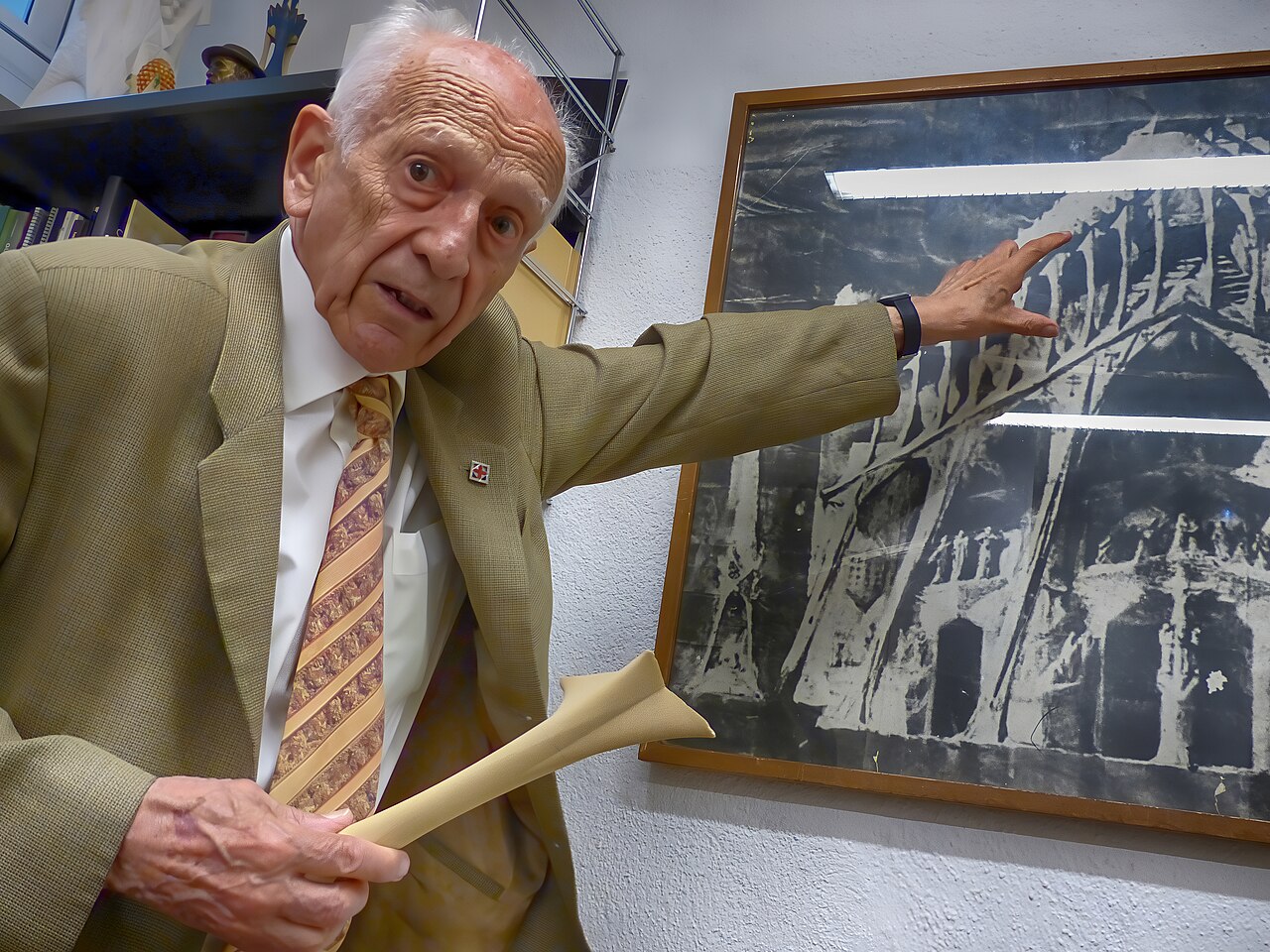

In 1985, Jordi Bonet i Armengol, son of the previous lead architect Lluís Bonet, took over the direction of the works and starred in one of the most transformative periods in the temple’s history. Under Bonet, the Sagrada Familia took a monumental qualitative leap: the foundations of all the naves were built, the incredible vaulted ceilings and arboreal columns of the interior were raised, the Passion Facade was completed, and the forest of stone that today amazes millions of visitors began to take shape.
Under his direction, Bonet introduced computer tools into the design and construction process, making it possible to interpret Gaudí’s models and plans with unprecedented precision. The high point of his tenure came on November 7, 2010, when Pope Benedict XVI consecrated the temple as a Minor Basilica.
Outside of the Sagrada Familia, Jordi Bonet was the architect of the Pau Casals Auditorium in El Vendrell, a reference concert hall for classical music in Catalonia.
He also designed the Church of Sant Medir in Barcelona, integrated into a social housing project in the Les Corts neighborhood, and worked on the restoration and extension of the Sant Benet de Montserrat Monastery. His career earned him the Premio Ciutat de Barcelona, the Creu de Sant Jordi, and the Cross of the Order of Alfonso X the Wise, among other distinctions.
Sadly, Bonet died in June 2022 without being able to see the Sagrada Familia completed.
Skip the Lines at the Sagrada Familia
Get your Sagrada Familia tickets in advance and skip the endless lines at the entrance.
Jordi Faulí i Oller: the architect of the 21st century (2012–present)
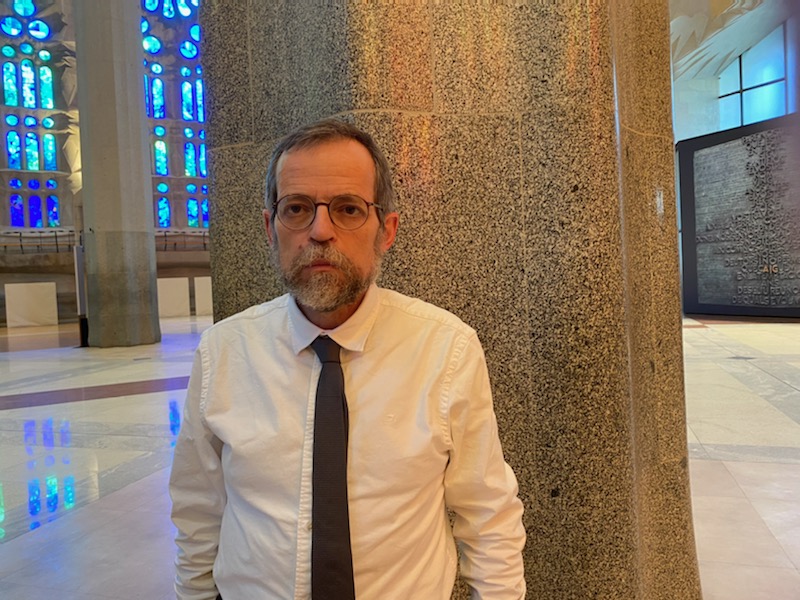

The baton was passed to Jordi Faulí i Oller, who had joined the team in 1990 and assumed full direction of the works in 2012. Faulí belongs to the fourth generation of architects who have continued the Gaudian project, and he faces the historic responsibility of overseeing the definitive completion of the Sagrada Familia.
Under his leadership the majestic central towers representing Jesus Christ, the Virgin Mary, and the four evangelists have been erected, making the basilica the tallest building in Barcelona. Faulí has made the most of model scanning and 3D modeling to interpret and execute Gaudí’s wishes with extraordinary fidelity. His doctoral thesis was, in fact, focused on continuity and composition in the temple’s columns and vaults.
Unlike his predecessors, Faulí has devoted virtually his entire professional career to the temple, being the architect who knows its structure best today. It was under his management that the Tower of the Virgin Mary was completed in 2021, the most visible milestone of recent years, and the completion of the Tower of Jesus Christ in 2026.
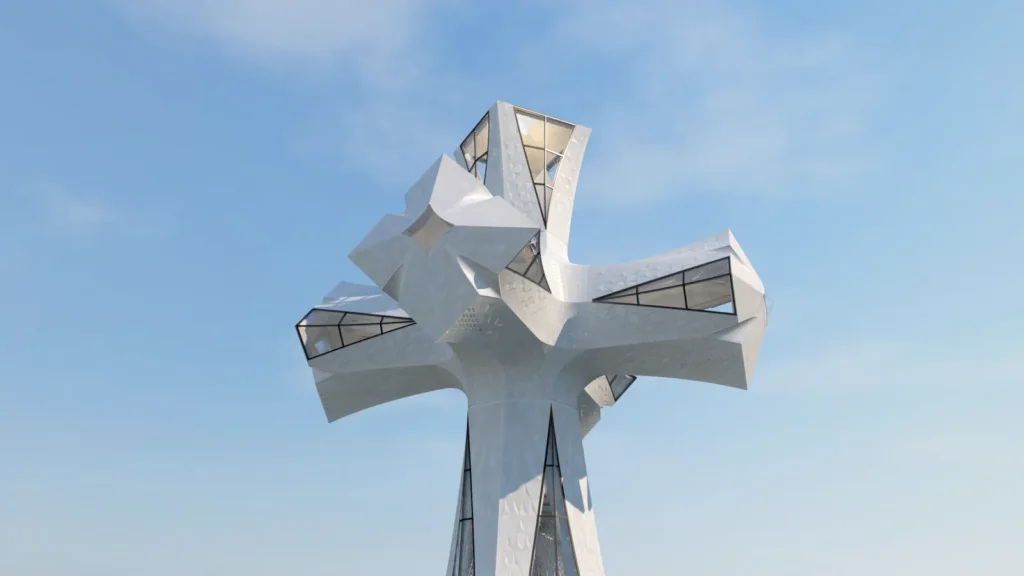
Although this latest milestone has become the new focus of attention in Barcelona, seeing the Sagrada Familia from the inside is a once-in-a-lifetime experience. You can choose from the following ticket types:
- Ticket with audio guide: Includes fast-track entry to the Basilica and an audio guide. Prices from €33
- Ticket with guided tour: Enjoy the visit with a live professional guide. Prices from €62
- Ticket with tower access: Includes fast-track entry with audio guide and access to the Passion Tower. Prices from €46
A work by many, a dream by Gaudí
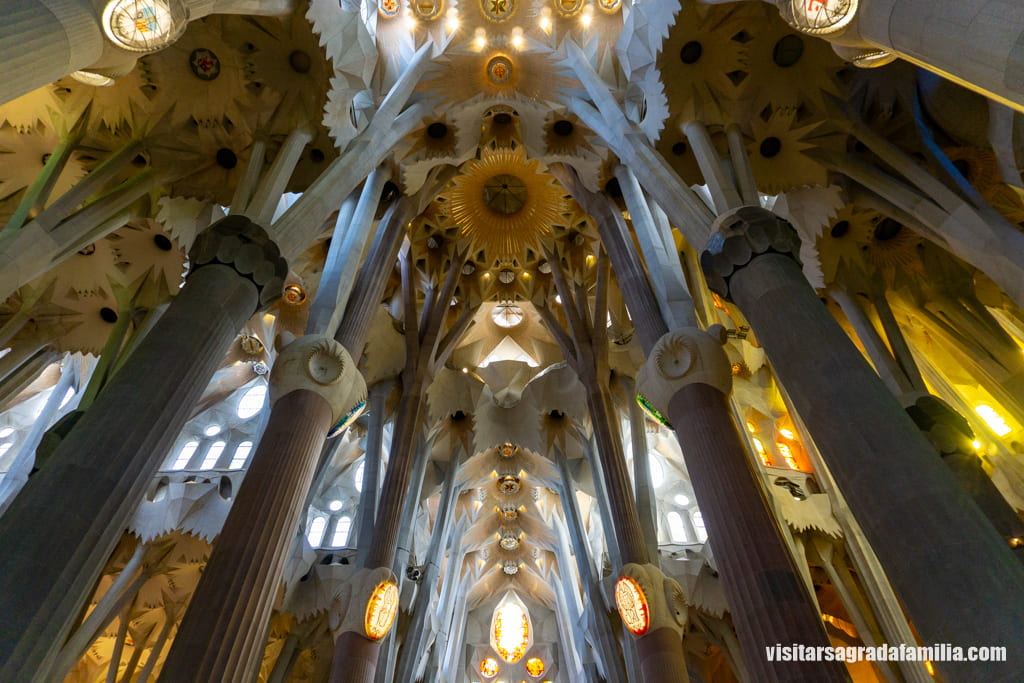
As you can see, the question “who built the Sagrada Familia?” has no single answer, and that is precisely what makes it so special. It is the only great monument in the world that continues to grow, that remains a living work, built by generations of architects who have known how to honor the genius of Gaudí while contributing their own vision and the technological means of each era.
The architects of the Sagrada Familia, in chronological order:
- Francisco de Paula del Villar (1882–1883): designed the original Neo-Gothic project and began construction of the crypt.
- Antoni Gaudí (1883–1926): completely redesigned the temple and turned it into his masterpiece, leaving the definitive project for future generations.
- Domènec Sugrañes i Gras (1926–1936): completed the Nativity Facade and the first bell towers after Gaudí’s death.
- Francesc de Paula Quintana i Vidal (1939–1966): reconstructed the documentation destroyed in the Civil War and initiated the Passion Facade.
- Isidre Puig i Boada (1966–1974): co-director of the works, completed the bell towers of the Passion Facade and documented Gaudí’s legacy.
- Lluís Bonet i Garí (1974–1982): continued work on the Passion Facade and the side naves until his retirement for health reasons.
- Francesc de Paula Cardoner i Blanch (1983–1985): maintained progress on the works during the transition period and designed the Casa Gaudí Museum.
- Jordi Bonet i Armengol (1985–2012): built the naves and vaulted ceilings of the interior, introduced computing into the construction process, and achieved the consecration of the temple in 2010.
- Jordi Faulí i Oller (2012–present): leads the final stretch of construction, with the erection of the central towers and the upcoming inauguration of the Tower of Jesus Christ.
Each of these architects has been an indispensable link in an extraordinary chain. A work that is, at the same time, an inheritance from the past and a promise for the future.
Today, the Sagrada Familia has become the most visited monument in Spain, with a record figure of 4.8 million visitors in 2025. Everything suggests that this year the record will be broken again, as in June 2026 there will be a ceremony presided over by Pope Leo XIV, coinciding with the centenary of Gaudí’s death and the inauguration of the Tower of Jesus Christ, the tallest in the temple.
Ready to experience it in person? Get your tickets to the Sagrada Familia in advance to secure your entry, or book a guided tour to enjoy one of the most visited monuments in the world without waiting.